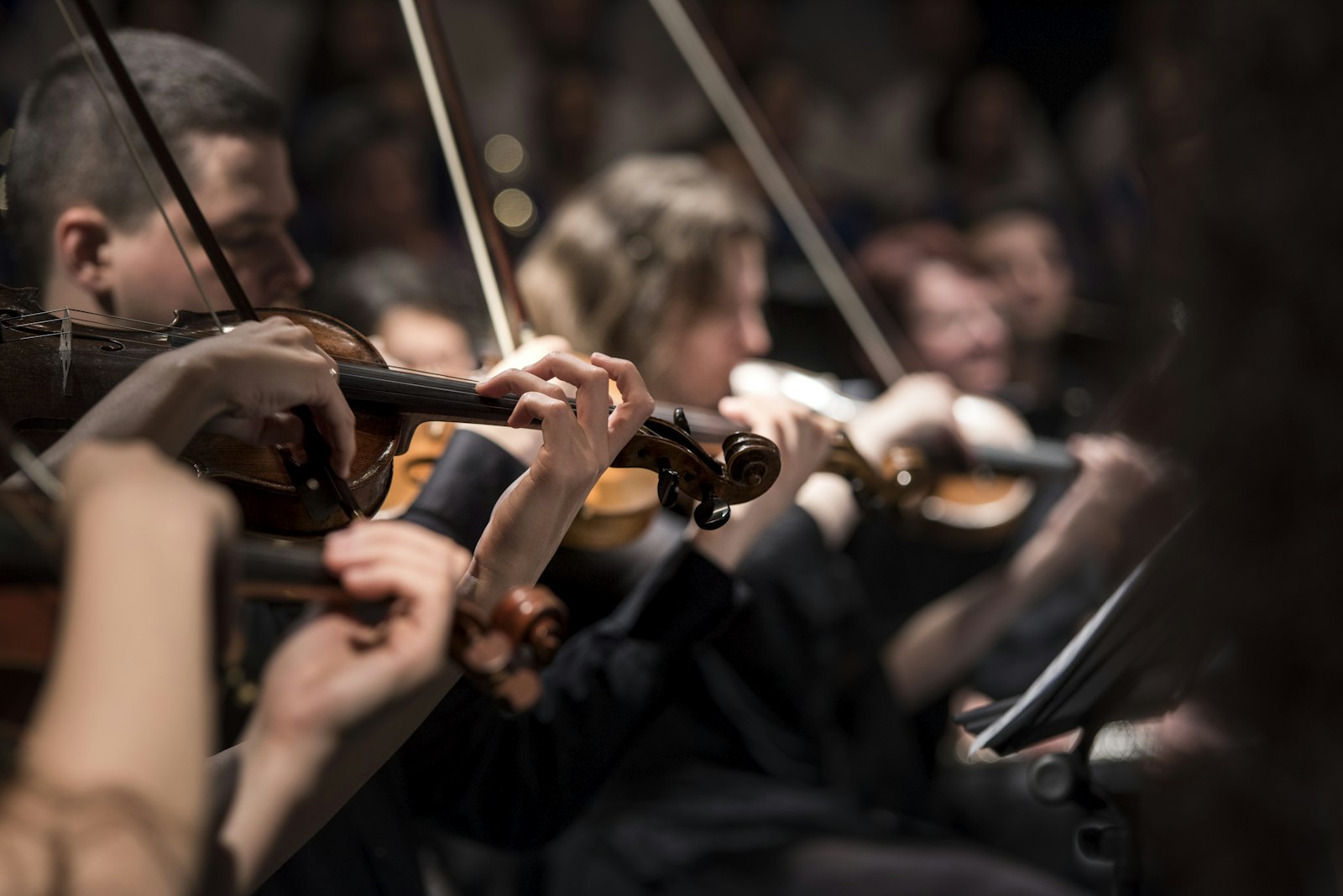

I love jazz. Not as a passing enthusiasm, as the genre I keep returning to, the one that keeps returning something to me. It has been quietly filed away for decades under "easy listening" and "older music," shelved next to bath salts and coffee-shop background loops, as if the century of invention that produced it belonged to a single decade of decor. That filing does the music a real disservice.
The inventiveness, brilliance, and hardy spirit of jazz are often ignored by modern audiences, particularly by those unaware of the storied cultural and historical roots of the genre. Artists like Laufey have recently begun to raise awareness around jazz and its sisters, bossa nova, blues, and the whole extended family of forms it seeded, but even that revival tends to sand the edges off what jazz actually is. At its truest, jazz offers a platform for raw experimentation and human expression that few genres manage to capture, and it deserves attention on those terms rather than on ambient ones.
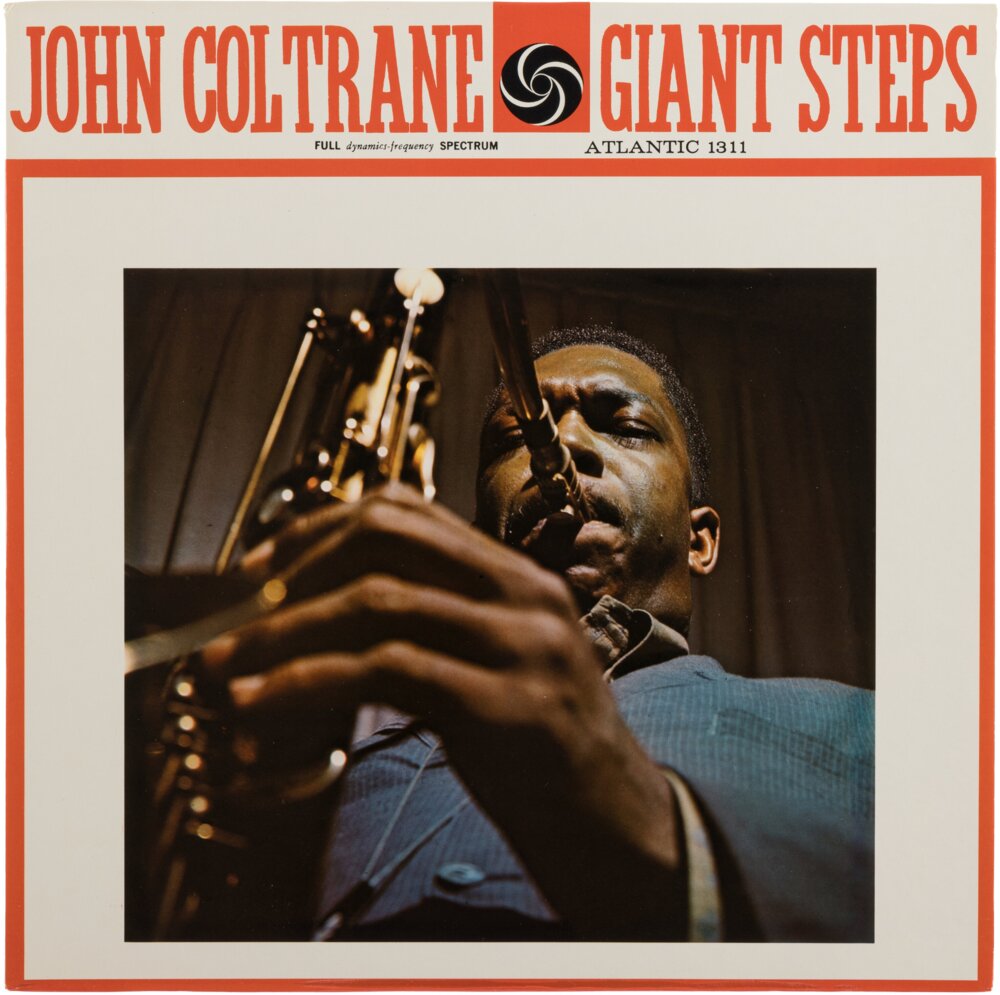
I love all kinds of jazz. But recently I have found myself listening to some of the foundational recordings of the genre, and to one in particular: John Coltrane's Giant Steps.
The genius of Giant Steps is that it demonstrates instrumental, technical, and compositional virtuosity and complete, wild abandon at the same time. Those two things almost never share a stage. On a musical level, there is a huge amount to analyze within this fairly short piece. Coltrane's signature multi-tonic root changes run through the whole composition, the harmony leaps between three key centres arranged a major third apart, so the ear never has time to settle before the ground moves again. His mastery of timing, breath control, and improvisation is clear through every measure.
The music has such a frenetic quality that Coltrane's improvised lines slide into the composed melody like they were always meant to be there. Even now, decades later, the recording still sounds like the room is on fire. One can only imagine the energy running through the recording studio the night that take was cut, the pianist chasing changes, the drummer holding the pulse steady while everyone else moved at what feels like escape velocity.
Giant Steps is a well-loved piece among jazz enthusiasts, and has inspired hundreds of memes, imitations, and new musicianship for the ages. Musicians study those chord changes the way physics students work through a textbook problem, and beginner saxophonists have made a small hobby of failing to play the head at tempo. All of that affection sits on top of the raw magnificence of the piece itself. The sheer talent layered under it contributes greatly to its beauty and its perpetual relevance. Coltrane was a complex and confident performer, and his free jazz creations allowed for experimentation, empowerment, and radical changes to the music landscape.
I hope artists continue to feel inspired by Coltrane's work. More than that, I hope we continue the tradition of making music for the love of radical creativity, not for what a genre is currently being rewarded for, not for what fits into a playlist, but for the pure force of what a piece could become if it were allowed to move.